Showing posts with label Day trips. Show all posts

Friday, September 24, 2010

Incheon Islands Part Three: Deokjokdo

This is the third instalment in a series of posts about the islands off the coast at Incheon.
Deokjokdo has been described as the most scenic of the Incheon islands, with a long sandy beach backed by pine trees. The drive to Seopori beach from the ferry dock is a stunning (if slightly car-sickness inducing) one, with the road winding over the mountains and past rice paddies and fields. To the visitor recently arrived from Seoul, the amount of greenery is almost shocking.

Despite having retained its rural feel, Deokjokdo has become an increasingly popular destination over the past couple of years. While the summer may see heaps of Korean families and groups of friends heading over for a quick weekend break, during  Chuseok  the visitors were almost exclusively foreign English teachers looking for an escape from the city that didn’t require them to do battle with the holiday traffic. As well as small independent groups, several companies had advertised larger ‘package’ trips via facebook and as we docked around lunchtime it soon became clear that they had had an enthusiastic response, with the small beach resort rapidly beginning to resemble an American college town rather than a rural Korean island.

A cluster of motels, pensions and minbak are scattered up the track across the road from the beach. Whilst ours was decidedly not the five minute walk from the sand we’d been told, it was perched prettily on the side of the hill, surrounded by a sea of vibrant green trees and plants. The mountains rising up all around and the chicken coop around the corner added to the picturesque scene and we headed down to the beach in high spirits.


Seopori beach is certainly attractive and the trees and mountains create a pretty contrast with the golden sand. However, it didn’t seem significantly ‘better’ than the beaches on Muuido or Jawoldo, which  we were expecting given the descriptions we’d read-the water was the deep grey colour seen elsewhere on the west coast and although the sand was soft, there was still a fair amount of debris washed up along the shore in places. Having said that, it was a great place to sit and soak up the sun.
 
Ah yes: The sun. By Tuesday night, some of us had begun to forget what it was. Despite the driving rain when we set off from Incheon earlier in the day, we’d remained upbeat and optimistic that the weather would soon improve. We managed to get a couple of hours or so of dry weather in the afternoon but all too soon the grey clouds which had been hovering overhead delivered the downpour they had been threatening us with all day.
Like almost everyone else on the beach, we ran for the shelter of the little row of convenience stores and restaurants across the road. There we sat around plastic tables under an awning, watching as the downpour became a veritable storm. The volume of water was astonishing. Even stepping out in it for a couple of seconds was enough to soak you to the skin. Resigned to not being able to move for a while, we ordered some food and beers and settled down.  The number of other visitors with the same idea made for a festive atmosphere and it wasn’t long before the soju was out and the drinking games were in full swing.
As the evening wore on however, it became clear that the rain wasn’t going to stop.  The two choices for the evening  were the island’s sole noraebang or more drinking back in motel rooms and pensions. Probably due to the early start many people had had to catch the ferry that morning, things quietened down fairly early.
The next morning dawned rather grey and chilly, but at least the rain had stopped, allowing us to sit on the beach and enjoy the view while desperately trying to pretend we weren’t freezing to death. There are several hiking trails on Deokjokdo, including one up to the peak of the mountain behind the beach, which several people braved despite the muddy, washed out trails. Others took a bus across to the other side of the island and made their way back to Seopori beach by clambering over the rocks around the edge of the coast or swimming around the shoreline.  We wandered around the island out to the end of an old pier, where the water  was a clear, bright blue colour. Several smaller islands could be seen in the distance and would make a great daytrip during sunnier weather.
Hikers making their way around the island
Smaller islands off the coast of Deokjokdo


The improved weather that evening meant that we were able to enjoy a bonfire-albeit not on the beach, as this had been banned. Instead, most of the foreigners on the island crowded into the grounds of one of the motels, who were kind enough to let us have one there. There was a pleasant atmosphere with people chatting, playing drinking games and singing along to the guitars someone had brought.
The next morning, the weather was gorgeous and finally did Deokjokdo justice-the sea sparkled, the sand glowed and the sky was a bright, cloudless blue. This was what made Deokjokdo worth the visit-whilst the beach might be comparable to others in the area, the rural atmosphere and surrounding greenery gave the island a definite ‘holiday’ ambience and it felt more like a real break from Seoul than anywhere else we’ve visited in Korea. Sadly, this was also the day that we were headed home, so we took one last look at the now sun drenched island and decided to come back-in the summer.
 
If anyone has any information about visiting the outlying islands in the Deokjokdo area, please share in the comments below-I’d love to get out there next summer.


Saturday, September 18, 2010

Incheon Islands Part Two: Jawoldo


This is the second instalment in a series of posts about the islands off the coast at Incheon.

Jawoldo sits further out from the mainland than Muuido and the ferry ride from Incheon’s Yeonan Budu terminal feels like the start of a real island adventure. At the end of the hour long trip, a small van was waiting to take us to our home for the weekend, Oak Valley Pension
A pension is a modern, more upmarket version of a minbak-basically a family run guesthouse, usually found in the countryside or at the beach. Pensions usually offer a choice between smaller rooms for 2-5 people, which may or may not have beds, or the larger rooms where everyone crashes together on the floor, which can often accommodate up to 20 guests. Our triple rooms didn’t come with beds, but they did provide an en-suite bathroom and a small kitchen with a gas range and refrigerator-also common in pensions. The building is a cool and airy multi-level house perched on the top of a super steep hill, with a spacious outdoor deck allowing guests to barbecue their dinner with a view of the sea.
Oak Valley Pension

View from the pension down to the beach

Heading down the hill, we were greeted by the welcome sight of a clean and smooth stretch of golden sand. Despite the gorgeous late June weather, we were almost the only people there.  Like Muuido, the water recedes pretty far at low tide; however we were able to swim for much of the afternoon. Some members of our group headed out to explore the rest of the island, using the bikes provided by the pension and the ATVs which were being rented out opposite the beach. The lush, green interior of Jawoldo creates a dramatic contrast with the sandy coastline and some of the beaches are utterly empty, perfect for a true ‘deserted  island’ fantasy.
A small store and restaurant directly across from the beach kept us supplied with snacks and beer all afternoon and we were able to buy enough meat to cook up a feast on the deck of our pension later that evening. Little did we know that we were soon to become a feast ourselves, for the thousands of mosquitoes and sand flies which chomped away merrily at us through pants and shirts as we sat obliviously enjoying a bonfire down on the sand. Taking a late night stroll along the beach, a few of us discovered a large group of visiting school children whose minders were delighted to have the opportunity to encourage their kids to practice English with us and even more delighted to thank us for our meagre efforts by pouring large quantities of soju down our throats. 
The beach at low tide

Sometime around dawn, we staggered back up the hill for a few precious hours of sleep before the ferry back to Incheon. A little later, cries of dismay echoed throughout the pension as various people woke up to discover mosquito bites the size of baseballs (only a slight exaggeration) all over their bodies. It was a tired, hungover and pretty damn itchy group that made its way back to the ferry that lunchtime but we were all in agreement that we’d do it again next summer-and we’d be bringing industrial quantities of insect repellent.

Tuesday, September 14, 2010

Incheon Islands Part One: Muuido

The waters around Incheon are dotted with islands which make the perfect weekend escape from the city. This is the first in a series of posts covering the area.
Muuido is one of the closer islands to the mainland, with the loading of the ferry across taking longer than the ride itself. After taking a twenty minute bus ride from Incheon Airport (bus number 222) head into the ticket office perched on the edge of the dock and pay 3000 won for a return trip to the island. The boat shuttles back and forth regularly, so the wait is rarely a long one. On the other side, buses wait to take visitors to one of the two beaches on the island-Hanagae or Silmi. The buses are packed on sunny weekends and the trip down the winding roads of the island can be a hair-raising one.
On our most recent trip to Hanagae beach, we found that the island had become a lot more popular with locals and foreigners alike. The wide, sandy beach was dotted with families splashing around in the water to wash off the grime of the city. The entrance to the beach (there’s a 2000 won admission fee) is surrounded by numerous seafood restaurants and a small general store, selling all the beach weekend essentials such as roman candles, snacks and beer. On the beach itself, a small cluster of restaurants at one end offers some non-fishy choices like bibimbap and samgyeopsal.

Sunset at Hanagae Beach
Whilst Muuido can be done as an easy day trip from Seoul (and this seemed to be a popular option, with the island becoming notably quieter in the late afternoon) it pays to stay over to enjoy a few beers over the picturesque sunset. Right on the beach, Muuido’s ‘bungalows’ are basically small huts perched on stilts over the sand. They’re basic but clean and sleep three people comfortably, four if you’re willing to squeeze a little closer! At 30,000 a night, they’re a bargain sleeping option. For an extra 10,000 a night you can rent one of the cabins with an attached bathroom (bungalow guests can use the bathroom facilities on the beach which include open air showers and clean, western style toilets) and fridge, although these are further back in the parking lot and therefore lack the views of the bungalows. There are also a number of pensions scattered around the area.
Bungalows on the beach
Whilst many come to Muuido simply to relax and sunbathe on the sand, there are also a few more active options available. There are a number of hiking trails, including one starting at the entrance to Hanagae beach which leads up a small mountain for gorgeous views of the area. It is also possible to walk out to Silmido, a small uninhabited island, when the tides are right-ask beach staff for details. If you do choose to remain on Hanagae beach, digging for your dinner of clams and other seafood in the mudflats which appear when the tide recedes ( it goes out extremely far) is a fun activity.
Weekend evenings often see a bonfire or two being made on the beach and the atmosphere is friendly but a bit less hedonistic than that of some of the other islands such as Deokjeokdo. It’s the relaxed ambience of Muuido which makes it the ideal weekend getaway for those seeking a sun and sand filled escape from the city.

Tuesday, September 7, 2010

The Ultimate Chuseok Staycation

The mid week Chuseok holiday this year is both a blessing and a curse. On one hand, most public schools and some hagwons are offering the Monday and/or Friday off, giving a generous 6-9 days of continuous vacation-more than enough to escape the country if you wish. For those who are stuck with Tuesday-Thursday, the options are a little less open.


The problem with Chuseok is that it is one of the two major holidays each year where the majority of Koreans travel back to their home towns, creating a mass exodus out of Seoul. Planes and trains are booked up weeks in advance, whilst buses and cars squat motionless on the highways with their drivers and passengers stewing inside. The hassles involved in leaving the country can put off even the most determined traveller so with that in mind, Get out of Seoul presents the rather contradictory ‘Chuseok Staycation’-your guide to exploring the capital this Korean thanksgiving.

Day One: The Great Outdoors

Ease yourself in to vacation mode with a day of hanging out in the autumn sunshine (hopefully). Seoul might not be a city that screams ‘nature’ or ‘wildlife’, but there are certainly some decent enough spots to check out. For a lazy day of picnicking, the riverside parks at Yeouido/Yeouinaru (Line 5) are a good bet. Eastern Seoul residents are well catered for with Olympic Park (Olympic Park Station, line 5, exit 3) and Seoul Forest (Ttukseom Station, line 2, exit 8), whilst those in the south west of the city have Boramae Park (Boramae Station, line 7, exit 2). Seoul Grand Park (line 4) and Children’s Grand Park (line 7) are other options.


Yeouido Park
For those in the mood for something a little more active, Bukhansan National Park on the northern edge of Seoul has some great, rocky, hiking trails. Whilst locals who have stayed in Seoul over the holidays might well be out and about in this area, it’s likely to be a lot less crowded than a typical weekend in fall. Nearby Suraksan is another alternative. Further south, Gwanaksan is accessible from Seoul National University, Gwacheon and Gwanak stations. A wide variety of routes means there is something to suit everyone. For more details on hiking in these areas, see here.

Continue the outdoor theme into the evening with some al fresco dining and drinking. Whilst many Korean restaurants are closed for some or all of Chuseok, it’s largely business as usual in foreigner friendly areas like Hongdae and Itaewon, although they may be a bit quieter than normal. The ever popular ‘Roofers’ in Itaewon is a decent spot for food and a few beers and although Hongdae’s playground will undoubtedly be a lot quieter than normal, it’s still fun to grab some drinks from the convenience store and people watch with friends.

Day Two: Playtime

Wednesday is the actual day of Chuseok, when Korean families gather together to celebrate and as such, this will be the day when the most things are closed. However, all of Seoul’s major theme parks-Seoul Land, Everland and Lotte World-remain open, along with the COEX aquarium. Whilst you certainly won’t have these places to yourself-it’s becoming more popular for families to take advantage of the time off and head to popular attractions-they should be a lot quieter than on the average weekend. Everland is the most extensive of the three, offering a zoo and the Carribean Bay water park (admission extra) and is located a short way outside of Seoul-buses take about 45 minutes from Gangnam station and traffic on this day shouldn’t be too bad. Seoul Land and Lotte World can be reached by subway from Seoul Grand Park station and Jamsil station respectively.

Again, many Korean-owned restaurants and bars will be closed on this day so it’s the ideal time to treat yourself to a taste of home. Itaewon has the widest variety of foreign restaurants, with Thai, Indian and Mexican places competing for your business. Areas like Hongdae and Gangnam should also have a number of decent options available.

Day Three: History and Culture

The final day of vacation is the perfect opportunity to finally check out a few of those cultural sights you’ve been meaning to get to for ages, if only the weekends didn’t disappear in a blur of much needed sleep and soju. Both Gyeongbukgung and Changdeokgung-Seoul’s two main palaces-are open, with Changdeokgung allowing independent visits on Thursday, unlike other days when you must join a group tour. The War Museum at Samgakji is also open, along with the Hanok village at the foot of Namsan. For those wanting to do some more modern sightseeing, both Namsan Tower and the 63 Building remain open also.


Gyeongbuk Palace
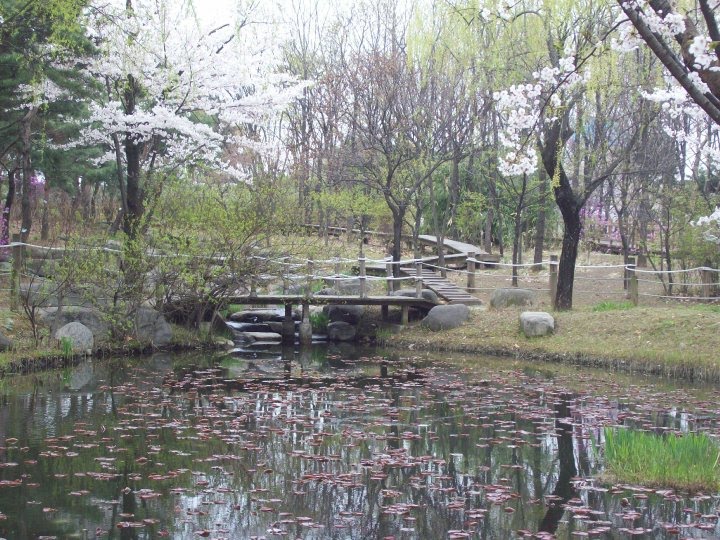
Garden at Changgyeong Palace

It’s likely that a least some of the traditional shops and stalls in Insadong, close to Gyeongbukgung, will be open on this day. In the evening, the excellent Korea House (Chungmuro station) offers a traditional Korean meal and performance in an old Hanok building-the perfect way to relax before heading back to work.